

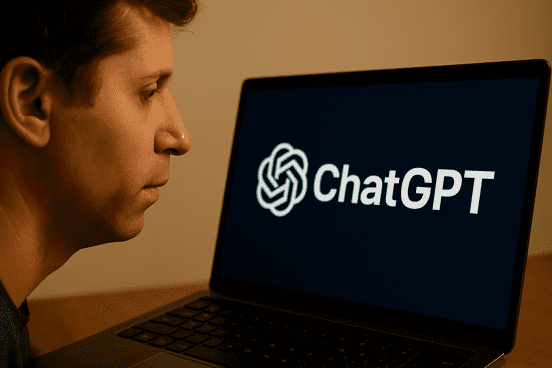

OpenAI CEO Sam Altman confirmed that ChatGPT privacy is not protected by legal privilege. During a conversation on This Past Weekend podcast with Theo Von, he said OpenAI could be required to hand over ChatGPT chats in court cases.
Altman explained that conversations with doctors, lawyers, or therapists are protected under legal privilege laws.
However, ChatGPT conversations do not fall under those protections.
If a person shares personal or sensitive information with the chatbot, those logs could be subpoenaed in a legal case.
He said,
“If you talk to ChatGPT about your most sensitive stuff, and then there is a lawsuit, we could be required to produce that.”
Altman called the issue a “huge problem.” He said users might think they are talking privately with ChatGPT, but in reality, the content can be accessed under certain legal requests.
OpenAI CEO Pushes for AI Privacy Rights
Altman also said that the ChatGPT privacy gap needs legal changes. He said there should be the same privacy expectations for ChatGPT users as there are for patients or clients speaking to licensed professionals.
He explained,
“That’s one of the reasons I get scared sometimes to use certain AI stuff because I don’t know how much personal information I want to put in, because I don’t know who’s going to have it.”
According to Altman, AI privacy rights are still undefined in the legal system.
He said he has spoken with policymakers who agree the gap must be addressed, but no laws currently fix the issue.
The timing is important, as AI tools like ChatGPT are being used more often for financial advice, mental health conversations, and personal decision-making. Still, there is no legal guarantee that private chats with the AI will stay private.
Sam Altman Raises Concern Over AI Surveillance Risk
Altman also said the rise of AI tools like ChatGPT could lead to more global surveillance. He said governments might push for stronger controls to prevent the misuse of AI for criminal activities.
He warned that authorities may demand access to ChatGPT data to monitor for terrorism or fraud.
Altman admitted he supports some compromise in privacy for public safety, but said past events show governments often go too far.
“History is that the government takes that way too far, and I’m really nervous about that,” he said.
He added,
“I’m totally willing to compromise some privacy for collective safety,” but warned that such compromise must be balanced with user rights.
Altman’s full interview appeared on This Past Weekend and is also available on YouTube.
He emphasized that until AI privacy rights are clarified by law, ChatGPT users should remain aware of how their data might be used in legal situations.
Disclosure:This article does not contain investment advice or recommendations. Every investment and trading move involves risk, and readers should conduct their own research when making a decision.
Kriptoworld.com accepts no liability for any errors in the articles or for any financial loss resulting from incorrect information.
