

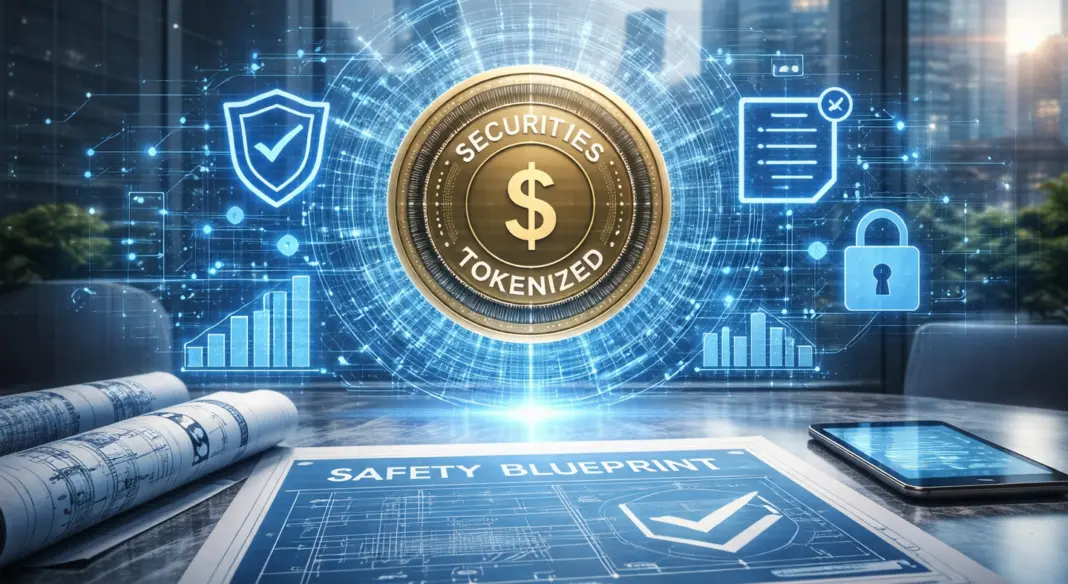

The SEC’s Investor Advisory Committee just gave tokenized securities a cautious green light.
They’re saying it could work, if done right, not calling it the future of finance yet.
Stay ahead in the crypto world – follow us on X for the latest updates, insights, and trends!🚀
What the advisory group actually proposed
The committee outlined a “safety blueprint” for tokenized securities: clear disclosure rules, risk warnings, and investor protections.
The idea is to treat tokenized stocks, bonds, or funds like traditional securities, but on blockchain rails.
Key points: full transparency on underlying assets and custody, risk disclosures similar to regular securities, and clear redemption and ownership rules.
This is policy signaling from a group that advises the SEC, not a final rule. But it’s a shift, tokenized securities are moving from “threat” to “manageable opportunity.”
The “safe tokenized securities” logic
The committee highlighted custody failures, smart contract bugs, and liquidity mismatches. Their blueprint says: tokenize if you want, but prove it’s safe first.
For retail users, this could mean tokenized assets become accessible through brokers, fractional shares of real estate, bonds, or private equity, without needing to run your own node or understand wallets.
The focus on disclosure is key. Traditional securities have decades of disclosure rules, and tokenized versions need the same level of clarity so everyday investors aren’t left guessing what they actually own.
Why disclosure is the real battleground
Tokenization is failing on trust, not technology. If issuers can’t prove reserves, custody, or redemption rights, retail and institutions stay away.
And that’s understandable. The SEC committee knows this: clear disclosure builds confidence, which brings capital. Without it, tokenized securities stay a niche for insiders.
This echoes past fights, stablecoins faced the same scrutiny before rules clarified reserves and redemptions. Tokenized securities are next in line.
Advisory group backing
Simply put, this is quietly positive. If the SEC follows the blueprint, tokenized securities could become as easy to buy as stocks, through familiar brokers, with real protections.
The downside? More rules mean slower launches and higher compliance costs, which could limit options or raise fees.
Tokenized securities are being tamed, not dismissed. The SEC wants them safe.
Will that blueprint bring more products to retail or just more paperwork? That’s the real question now.

Cryptocurrency and Web3 expert, founder of Kriptoworld
LinkedIn | X (Twitter) | More articles
With years of experience covering the blockchain space, András delivers insightful reporting on DeFi, tokenization, altcoins, and crypto regulations shaping the digital economy.
📅 Published: March 14, 2026 • 🕓 Last updated: March 14, 2026
✉️ Contact: [email protected]
Disclosure:This article does not contain investment advice or recommendations. Every investment and trading move involves risk, and readers should conduct their own research when making a decision.
Kriptoworld.com accepts no liability for any errors in the articles or for any financial loss resulting from incorrect information.
