

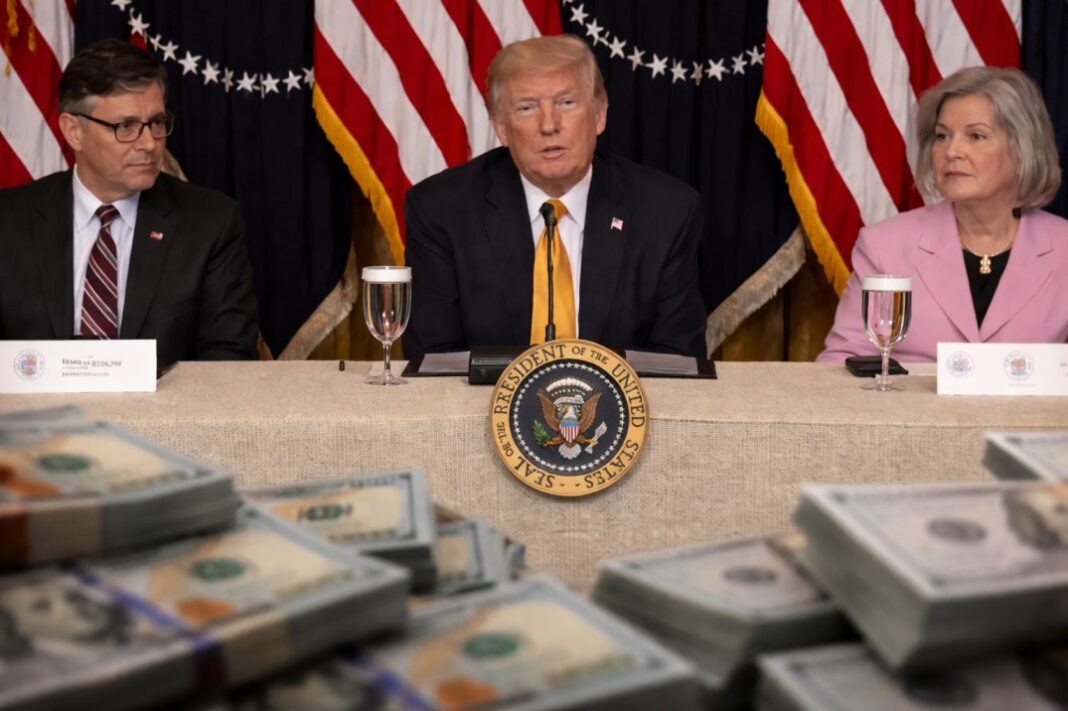

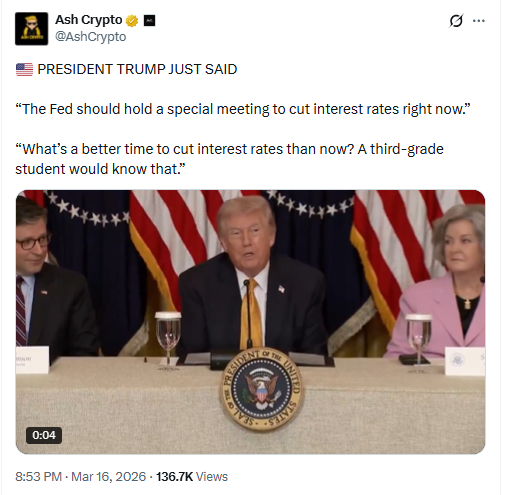
US President Donald Trump increased pressure on Federal Reserve Chair Jerome Powell just before the central bank’s March policy decision. On March 16, Trump said the Fed should hold a “special meeting” and cut US interest rates immediately. He also said,
“What’s a better time to cut interest rates than now? A third-grade student would know that.”
The timing matters. The Federal Reserve began its two day meeting on March 17 and is set to announce its decision on March 18. That means Trump’s remarks landed only hours before officials reviewed rates, inflation, and the broader economic outlook.
However, market pricing still points to no change this week. Recent reporting said traders expect the Fed to leave rates unchanged as officials weigh stable inflation data against new risks from higher oil prices. Those risks have grown because the war involving Iran has lifted energy costs and added pressure to the inflation outlook.
Trump Fed Rate Cut Demand Puts Jerome Powell in Focus
Trump has pushed this line before, but this latest demand came at a sensitive moment. The White House is openly calling for lower borrowing costs while Jerome Powell leads a meeting that could shape expectations for the rest of 2026. Trump wants lower US interest rates to support growth and reduce debt servicing pressure.
At the same time, the Fed does not set policy based on political requests. It looks at inflation, jobs, growth, and financial conditions. So even when Trump calls for a Trump Fed rate cut, the committee still has to decide whether the data supports that move.
That is why Jerome Powell remains central to this story. The Fed chair has to balance two pressures at once. First, the White House wants faster cuts. Second, the economy faces fresh price pressure from energy markets. As a result, the Federal Reserve now enters this meeting with politics on one side and inflation risk on the other.
Federal Reserve, Inflation, and Oil Prices Shape US Interest Rates
The latest inflation data gave the Fed some room, but not a clear path to cut. The US Bureau of Labor Statistics said consumer prices rose 2.4% in the 12 months through February 2026. Core inflation, which excludes food and energy, stood at 2.5%. Both readings were unchanged from the prior month.
Still, those numbers came before the full effect of higher oil prices showed up. Reuters reported that the war tied to Iran has raised fears of a supply shock, while other reports noted that oil moved above $100 a barrel during the recent disruption. Higher fuel costs can feed into transport, food, and other consumer prices. Therefore, the Fed has to consider whether inflation could rise again in the next data cycle.
For that reason, expectations for quick cuts have weakened. Reuters reported on March 12 that Goldman Sachs pushed back its forecast for a Fed rate cut and now expects reductions later in the year, starting in September rather than June. Meanwhile, market coverage on March 16 said traders were looking for the Fed to stay on hold at this meeting as inflation risk from energy remained unclear.
US Interest Rates Stay at the Center of Market Attention
The debate over US interest rates also matters beyond the Fed itself. Lower rates usually reduce borrowing costs and can support stocks, housing, and other risk assets. Yet when inflation risk rises, the Fed often waits for clearer data before changing course. That is why this meeting has drawn close attention from both markets and the White House.
Trump’s comments added pressure, but they did not change the basic setup before the decision. The Federal Reserve still faces a mixed picture. Inflation looked steady in February. Even so, oil prices rose sharply afterward, and that could change the next round of data.
So the immediate issue is clear. Trump wants a Fed rate cut now. Jerome Powell and the Federal Reserve must decide whether the economy allows it. Until that answer arrives, US interest rates, inflation, and oil prices remain tightly linked in the market’s view.
Disclosure:This article does not contain investment advice or recommendations. Every investment and trading move involves risk, and readers should conduct their own research when making a decision.
Kriptoworld.com accepts no liability for any errors in the articles or for any financial loss resulting from incorrect information.

Tatevik Avetisyan is an editor at Kriptoworld who covers emerging crypto trends, blockchain innovation, and altcoin developments. She is passionate about breaking down complex stories for a global audience and making digital finance more accessible.
📅 Published: March 17, 2026 • 🕓 Last updated: March 17, 2026
