

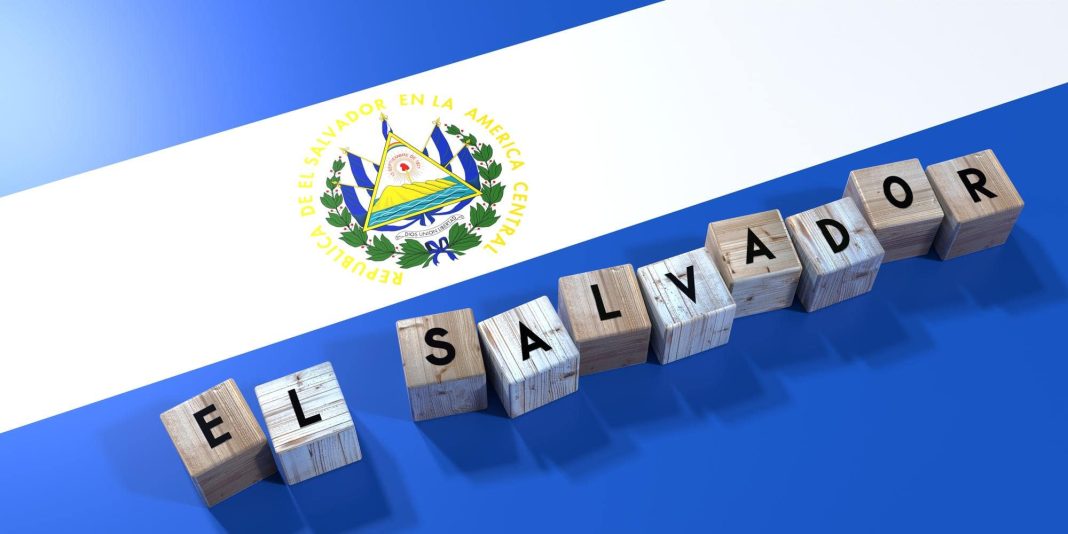

El Salvador is shaking things up with a new loan agreement with the International Monetary Fund, which will make accepting Bitcoin voluntary for merchants and ease government involvement in Bitcoin projects.
Not required
Under this $1.4 billion deal, the Central American nation will receive funds from the IMF over the next 40 months.
In return, it has agreed to measures aimed at reducing its debt-to-GDP ratio.
According to a statement from the IMF, “The potential risks of the Bitcoin project will be diminished significantly in line with Fund policies.” This means that private sector acceptance of Bitcoin will now be optional.
For the public sector, any engagement in Bitcoin-related activities will be limited, and taxes will need to be paid in U.S. dollars—the country’s official currency.
Additionally, government involvement with the state-backed crypto wallet, Chivo, will gradually wind down.
El Salvador’s Bitcoin journey
El Salvador jumped into the Bitcoin game back in 2021, and according to their National Bitcoin Office, the country currently holds about 5,968.8 BTC, valued at around $602 million.
A spokesperson for the office told that they plan to keep accumulating Bitcoin.
“We will keep buying one Bitcoin a day (and likely even more in the future), and we won’t sell any of our current holdings.”
This agreement still needs approval from the IMF Executive Board, but it wraps up four years of negotiations that began when President Nayib Bukele made Bitcoin legal tender in June 2021—making El Salvador the first country in the world to do so.
The IMF has long urged Bukele to reconsider his Bitcoin plans, warning that the cryptocurrency’s speculative nature could pose risks for the country.
The IMF and the EL Salvador government have reached a staff-level agreement on a 40-month EFF arrangement to support the government's economic reforms. The agreement with 🇸🇻 is subject to approval by the IMF Executive Board. https://t.co/1GLjFsEhVl pic.twitter.com/M1U77Flz4f
— IMF (@IMFNews) December 18, 2024
The new agreement also opens up additional loans from other global banks, including the World Bank, bringing total financing to over $3.5 billion.
This is the real world
In response to the IMF’s announcement, Bukele’s Bitcoin adviser Max Keiser took to X to dismiss their concerns, saying “nobody pays attention to these assh****” and calling the agreement “bureaucratic, meaningless nonsense.”
“Bitcoin use in El Salvador was always voluntary and its usage has never been higher and continues to grow.”
On the other hand, an October survey revealed that 92% of Salvadorans don’t use Bitcoin for transactions—a slight increase from 88% in a previous survey earlier this year.
