

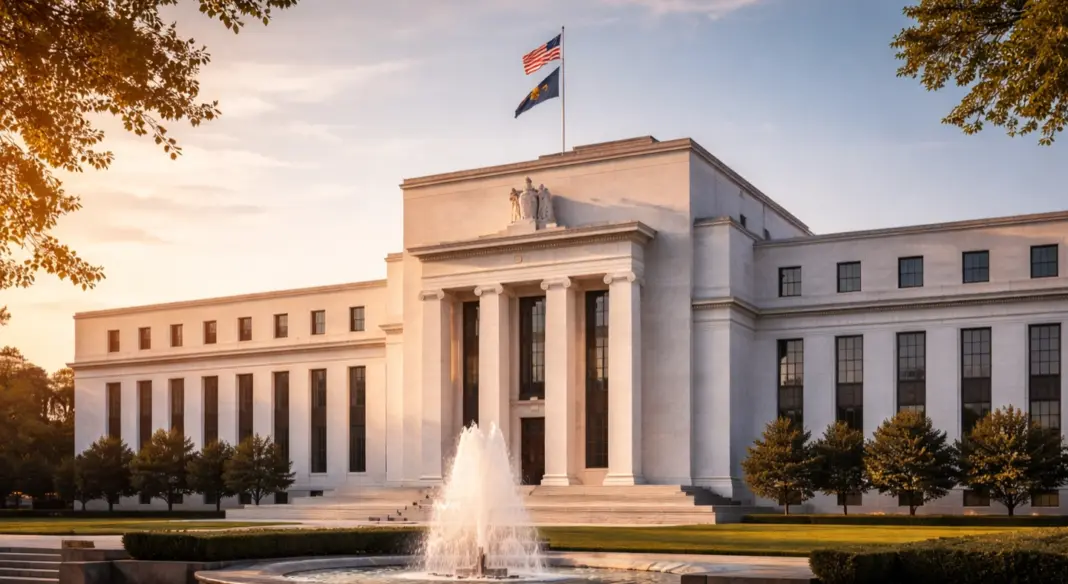

Today, the crypto world got everything it wanted. Donald Trump nominated Kevin Warsh to lead the Fed, and Washington is about to avoid a shutdown.
The regulatory path for pending ETFs is finally clearing. Yet the markets are bleeding.
Instead of a moonshot, we are seeing a record $1 billion exit from spot Bitcoin and Ether ETFs.
Stay ahead in the crypto world – follow us on X for the latest updates, insights, and trends!🚀
A malfunction of the narrative? No. A fundamental shift in how institutional capital views the Trump trade in 2026.
The regulatory mirage
Kevin Warsh is a known quantity. He understands sound money and has a history of engaging with the crypto industry, so his arrival at the Fed should be the final green light for a pro-crypto monetary policy.
Similarly, the end of the government shutdown threat removes the administrative logjam at the SEC.
But here is the problem. Markets are forward-looking. The crypto-friendly DC narrative has been the primary driver of the market for months.
Now that it’s becoming a reality, the trade is crowded. For big money, the nomination of Warsh isn’t a reason to buy. Not at all. It’s the perfect moment to realize profits.
That’s the thing about a perfect narrative, once it’s complete, there’s nowhere left to go but down.
The liquidity wall: cash is king
While the political news is bright, the macro environment is darkening, and the massive ETF outflows suggest that institutional players are pivoting.
They aren’t fleeing because they stopped believing in Bitcoin, and its potetial. They are fleeing because the cost of capital is rising elsewhere.
With talk of new trade tariffs and shifting global alliances, the dollar’s volatility is back.
When the risk-free rate becomes unpredictable, even the most bullish crypto story takes a backseat. The institutions are building a cash moat.
Honestly, they are selling the regulatory win to cover their exposure in a tightening global market.
A new market cycle
We used to think that Bitcoin was decoupled from the Fed’s internal politics. We were wrong. By becoming an institutional asset, Bitcoin has inherited institutional problems.
The record outflows during a week of positive news tell us one thing, and it’s a rude awakening.
The honeymoon phase of the ETF era is likely over. We’re no longer trading on the hope of adoption, instead, we’re trading on the reality of global liquidity.
Do we really want Bitcoin to be just another macro hedge?
A volatile machine
What happens next? If the Warsh nomination fails to start a rally, it confirms that the market has reached temporary saturation.
The next leg up likely won’t come from a friendly face in Washington. It will come when the global economy decides it can afford to take risks again. But it looks like that’s not this day.
The irony is priceless, and the happiness is bittersweet. We fought for years to get a seat at the table in DC.
Now that we have it, we realize the table is attached to a much larger machine. It’s a much more volatile one too.
The pieces are moving. What matters is how the liquidity lines up next.

Crypto market researcher and external contributor at Kriptoworld
Wheel. Steam engine. Bitcoin.
📅 Published: January 31, 2026 • 🕓 Last updated: January 31, 2026
✉️ Contact: [email protected]
Disclosure:This article does not contain investment advice or recommendations. Every investment and trading move involves risk, and readers should conduct their own research when making a decision.
Kriptoworld.com accepts no liability for any errors in the articles or for any financial loss resulting from incorrect information.
