



Crypto prices may be cooling. RWA tokenization is not.
Ethereum-based real-world assets have reached a $15 billion market cap, the total tokenized assets’ market cap is at almost $200B, even as broader crypto sentiment remains subdued.
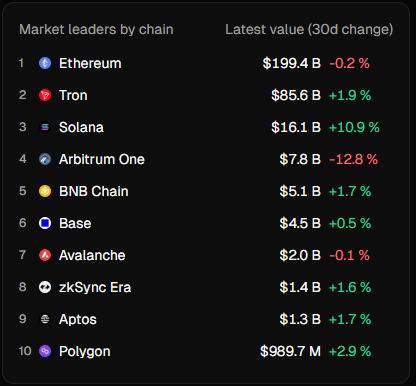
Source: Tokenterminal
At the same time, projects like EthZilla are pivoting away from pure crypto exposure toward RWA-focused positioning. This is not a coincidence. It reflects a structural divergence.
1/ “Forum represents who we are today—and where we are going,” said McAndrew Rudisill, chairman and chief executive officer. “Forum embodies our belief that the next generation of financial markets will be built around institutional-grade, on-chain products backed by real assets,… pic.twitter.com/rFdlNHwVTB
— Forum (@forummarkets) February 25, 2026
Speculative cycles fluctuate, while asset digitization cycles compound.
Speculation vs integration
Crypto markets move in emotional waves, but tokenization, as use-case, as infrastructural feature moves in operational phases.
When markets rally, attention centers on volatility and upside narratives. When markets cool, infrastructure quietly advances. RWA tokenization is clearly not driven by retail hype.
It is driven by integration demand: Treasury products, private credit, real estate exposure, and structured yield instruments.
These are financial instruments migrating onto programmable rails, not meme assets.
Why $15B matters
A $15 billion RWA market cap on Ethereum signals persistence, not just growth.
RWAs require legal structuring, custodial frameworks, compliance alignment, and institutional counterparties. That is structured capital, not fast capital.
The fact that this segment grows during a crypto winter suggests it is not dependent on speculative liquidity. It is anchored in institutional appetite for efficiency.
Tokenized Treasuries, tokenized funds, and onchain private credit instruments reduce settlement friction and improve transparency. These advantages persist regardless of token price cycles.
Strategic pivots reflect demand
EthZilla’s shift toward RWA-focused positioning highlights another signal: projects are repositioning toward asset digitization.
When firms retreat from volatile token exposure but lean into tokenization infrastructure, it suggests capital is following stability.
RWA tokenization provides predictable yield streams, regulated asset exposure, and compatibility with traditional finance. That makes it attractive during risk-sensitive periods.
Institutional alignment
RWA growth also connects with larger institutional themes.
Tokenized Treasury approvals, bank-backed blockchain settlement systems, and stablecoin regulatory frameworks all intersect with asset digitization.
Stablecoins provide settlement rails. RWAs provide yield-bearing assets. Institutional custody provides compliance anchoring.
Together, they form a system-compatible stack. This is why RWA tokenization continues to scale even when speculative activity contracts.
The narrative axis: two cycles
There are two overlapping cycles: the speculative token cycle and the asset digitization cycle.
The first drives headlines. Hype. Retail frenzy. The second builds financial plumbing. And they are not synchronized.
Speculative enthusiasm may slow. Institutional integration does not necessarily follow that rhythm.
Structural takeaway
RWA tokenization growing to $15 billion during a subdued market phase is evidence of integration, not paradox.
Tokenization is digitizing traditional finance, not replacing it.
As long as institutions seek faster settlement, transparent ownership, and programmable compliance, asset digitization will advance.
Crypto winter may cool narratives. But the infrastructure layer continues moving forward. And that distinction defines the next stage of market evolution.
Tokenization refuses to slow down
Crypto prices may be cooling.RWA tokenization is not.
Ethereum-based real-world assets (RWAs) have reached a $15 billion market cap, even as broader crypto sentiment remains subdued.
Publication coverage:
https://www.thecoinrepublic.com/2026/02/26/ethereum-news-eth-rwas-market-cap-hits-15-billion-despite-the-ongoing-crypto-winter/
At the same time, projects like EthZilla are pivoting away from pure crypto exposure toward RWA-focused positioning.
Publication coverage:
https://www.livebitcoinnews.com/ethzilla-retreats-from-crypto-exposure-launches-rwa-focused-rebrand/
This is not a coincidence.
It reflects a structural divergence.
Speculative cycles fluctuate.
Asset digitization cycles compound.
Speculation vs integration
Crypto markets move in emotional waves.
Tokenization moves in operational phases.
When markets rally, attention centers on volatility and upside narratives.
When markets cool, infrastructure quietly advances.
RWA tokenization is not driven by retail hype.
It is driven by integration demand:
- Treasury products
• Private credit
• Real estate exposure
• Structured yield instruments
These are not meme assets.
They are financial instruments migrating onto programmable rails.
Why $15B matters
A $15 billion RWA market cap on Ethereum signals more than growth.
It signals persistence.
RWAs require:
- Legal structuring
• Custodial frameworks
• Compliance alignment
• Institutional counterparties
That is not fast capital.
It is structured capital.
The fact that this segment grows during a crypto winter suggests it is not dependent on speculative liquidity.
It is anchored in institutional appetite for efficiency.
Tokenized Treasuries, tokenized funds, and onchain private credit instruments reduce settlement friction and improve transparency.
These advantages persist regardless of token price cycles.
Strategic pivots reflect demand
EthZilla’s shift toward RWA-focused positioning highlights another signal.
Projects are repositioning toward asset digitization.
Publication coverage:
https://www.livebitcoinnews.com/ethzilla-retreats-from-crypto-exposure-launches-rwa-focused-rebrand/
When firms retreat from volatile token exposure but lean into tokenization infrastructure, it suggests capital is following stability.
RWA tokenization provides:
- Predictable yield streams
• Regulated asset exposure
• Compatibility with traditional finance
That makes it attractive during risk-sensitive periods.
Institutional alignment
RWA growth also connects with larger institutional themes.
Tokenized Treasury approvals, bank-backed blockchain settlement systems, and stablecoin regulatory frameworks all intersect with asset digitization.
Stablecoins provide settlement rails.
RWAs provide yield-bearing assets.
Institutional custody provides compliance anchoring.
Together, they form a system-compatible stack.
This is why RWA tokenization continues to scale even when speculative activity contracts.
The narrative axis: two cycles
There are two overlapping cycles:
- Speculative token cycle
- Asset digitization cycle
The first drives headlines.
The second builds financial plumbing.
They are not synchronized.
Speculative enthusiasm may slow.
Institutional integration does not necessarily follow that rhythm.
Structural takeaway
RWA tokenization growing to $15 billion during a subdued market phase is not paradoxical.
It is evidence of integration.
Tokenization is not replacing traditional finance.
It is digitizing it.
As long as institutions seek:
- Faster settlement
• Transparent ownership
• Programmable compliance
Asset digitization will advance.
Crypto winter may cool narratives.
But the infrastructure layer continues moving forward.
And that distinction defines the next stage of market evolution.

Crypto market researcher and external contributor at Kriptoworld
Wheel. Steam engine. Bitcoin.
📅 Published: March 2, 2026 • 🕓 Last updated: March 2, 2026
✉️ Contact: [email protected]
Disclosure:This article does not contain investment advice or recommendations. Every investment and trading move involves risk, and readers should conduct their own research when making a decision.
Kriptoworld.com accepts no liability for any errors in the articles or for any financial loss resulting from incorrect information.
