


If you picture crypto crime as “some hacker steals coins,” you miss the part that scales it.
The newer playbook runs through everyday infrastructure: home routers that get turned into “clean” proxy IPs, and legit-looking games that quietly install stealers.
Stay ahead in the crypto world – follow us on X for the latest updates, insights, and trends!🚀
The good news is that law enforcement is finally going after those chokepoints, not just the scammers at the top.
Two cases make that clear.First, U.S. authorities and Europol announced a takedown of SocksEscort, a malicious proxy service used to deploy malware and commit fraud.
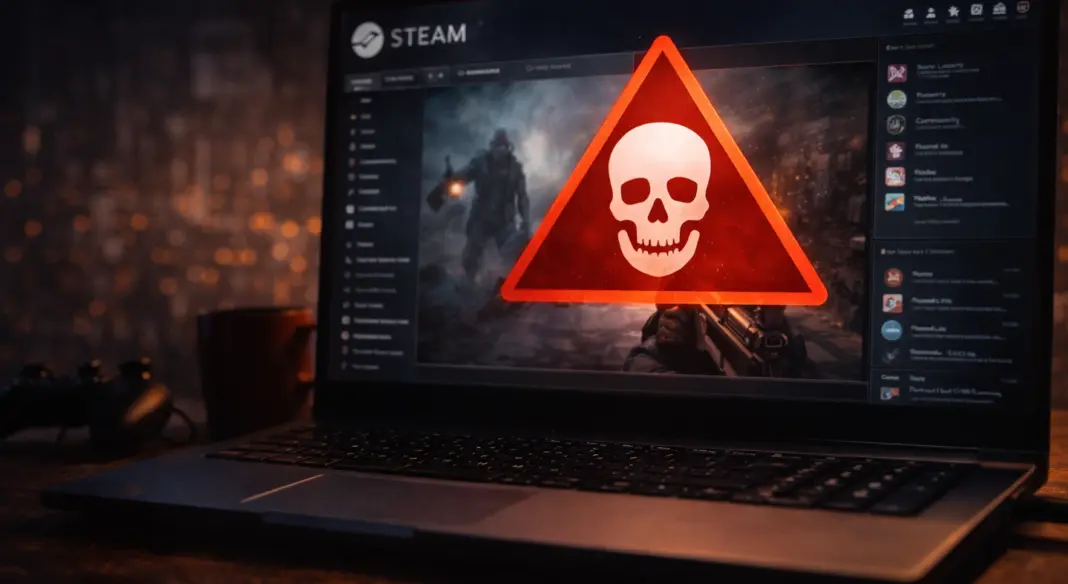
Second, the FBI is seeking victims tied to Steam games that were used to spread malware.
What a residential proxy botnet really is
Here’s the simple version. A residential proxy network is a pool of home internet connections that criminals can route traffic through.
If your traffic appears to come from normal households, it can slip past fraud filters more easily than traffic from a data center.
That’s why these services matter for account takeovers, exchange logins, and large-scale theft.
So when SocksEscort gets disrupted, it’s a chunk of attacker plumbing getting ripped out.
How a “normal” Steam game can become a wallet threat
The Steam story is particularly scary because it targets habits people already have.
You download a game, run it, and the malware does its job quietly in the background.
It can hunt for credentials, session tokens, or anything that helps it get into accounts and move value. The weak point is often the device, not the chain.
The pattern: enforcement is moving upstream
This is the shift. Agencies are targeting shared infrastructure that enables many crimes at once: proxies, servers, and distribution channels for malware. That’s a bigger deal than chasing one thief after one heist.
Takedowns help, but they don’t “solve” the problem.
New proxy services and new malware strains will show up. Complacency is the real gift to attackers.
What to do with this
Not advice, just awareness: treat router and device updates as part of crypto hygiene, be extra skeptical of random downloads even on big platforms, and assume account access can be stolen without touching your wallet directly.
Crypto security is now about your everyday setup as much as it is about cryptography.

Crypto market researcher and external contributor at Kriptoworld
Wheel. Steam engine. Bitcoin.
📅 Published: March 16, 2026 • 🕓 Last updated: March 16, 2026
✉️ Contact: [email protected]
Disclosure:This article does not contain investment advice or recommendations. Every investment and trading move involves risk, and readers should conduct their own research when making a decision.
Kriptoworld.com accepts no liability for any errors in the articles or for any financial loss resulting from incorrect information.
