


If you’ve ever had a bank block a crypto transfer, or an exchange suddenly tighten limits, you’ve already met market structure.
It’s the rulebook layer that decides who can offer the product, who can touch customer funds, what “counts” as compliant, and what gets shut out.
Right now, two very different stories are pointing in the same direction: crypto is being pulled away from the “anything goes” phase and toward a bank-and-exchange style model.
Stay ahead in the crypto world – follow us on X for the latest updates, insights, and trends!🚀
Market structure is the real front line
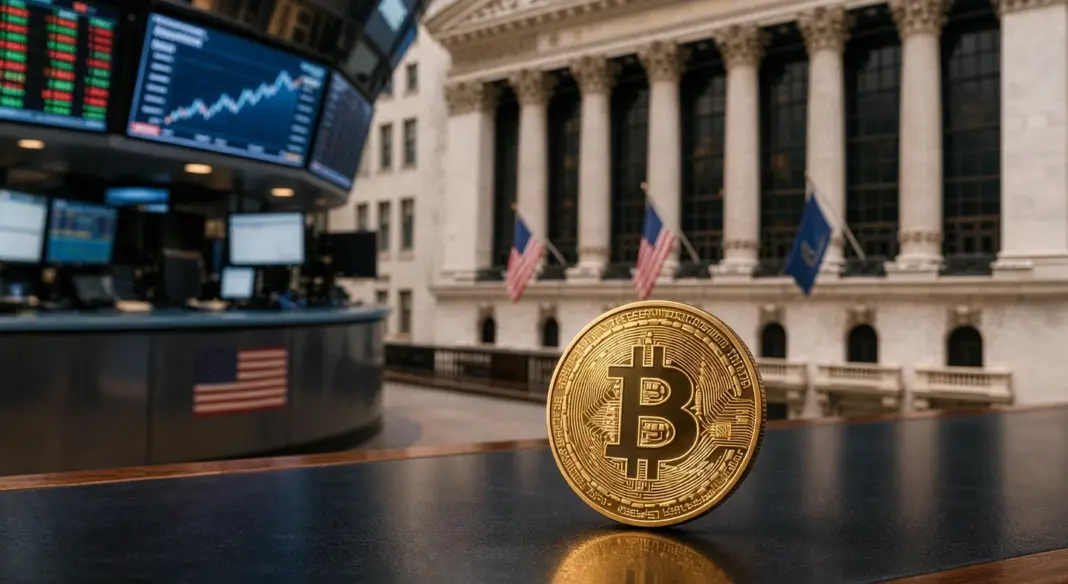
One headline comes from the U.S.: NYSE’s parent company is betting on OKX as a way to “rebuild” U.S. crypto market structure.
This is about making the venue legible to regulators and institutions: clearer oversight, cleaner market infrastructure, and a setup that can support bigger flows without triggering constant policy panic.
Safety in crypto
The other headline comes from Russia, where a proposal discussed in public coverage would push crypto exchange licenses through banks.
Different politics, same logic. If banks and brokers become the licensed gateway, the state gets supervision leverage, and the market gets a TradFi-shaped access model.
Why this matters for you, not just “institutions”
When market structure tightens, retail feels it first because retail uses the rails daily:
Access changes: which platforms are allowed to serve you, and under what conditions.
Friction moves: more KYC, more transaction monitoring, more “why are you sending this?” moments.
Product packaging shifts: instead of pure crypto-native chaos, you get regulated wrappers that look boring but work.
That starts behaving more like finance: fewer surprises if you stay inside the rules, fewer options if you want maximum freedom.

Cryptocurrency and Web3 expert, founder of Kriptoworld
LinkedIn | X (Twitter) | More articles
With years of experience covering the blockchain space, András delivers insightful reporting on DeFi, tokenization, altcoins, and crypto regulations shaping the digital economy.
📅 Published: March 8, 2026 • 🕓 Last updated: March 8, 2026
✉️ Contact: [email protected]
Disclosure:This article does not contain investment advice or recommendations. Every investment and trading move involves risk, and readers should conduct their own research when making a decision.
Kriptoworld.com accepts no liability for any errors in the articles or for any financial loss resulting from incorrect information.
